
print manual
What is Print Media? A Comprehensive Guide (2025)
Print manuals, essential documentation often distributed physically, provide detailed instructions for products or processes. These guides, like catalogs and business cards,
represent a tangible form of information dissemination, offering a focused and readily accessible resource for users seeking clarity and support.
Definition and Core Characteristics of Print Media
Print media fundamentally encompasses all communication channels utilizing physical printed materials to convey information to an audience. This broad category distinguishes itself through tangibility – a key characteristic offering a unique user experience compared to digital formats. Unlike fleeting digital content, print provides a lasting, physical presence.

Considering print manuals specifically, we see a prime example of this. These aren’t simply collections of words; they are carefully designed documents intended for practical application. Core characteristics include a structured layout, often incorporating diagrams, illustrations, and step-by-step instructions. The physical format allows for easy bookmarking, annotation, and offline access – crucial for tasks performed in environments without reliable internet connectivity.
Furthermore, print manuals often prioritize durability and clarity. Paper quality, binding methods, and font choices are all deliberately selected to enhance readability and longevity. They represent a deliberate investment in providing comprehensive, accessible information, fostering user confidence and product satisfaction. This contrasts with the often ephemeral nature of online help resources, making print manuals a valuable component of overall product support.
Historical Evolution of Print Media
The evolution of print media is inextricably linked to the development of printing technology itself, and the story of the print manual mirrors this progression. Initially, instructions were conveyed orally or through rudimentary hand-drawn illustrations. The invention of the printing press by Gutenberg in the 15th century revolutionized information dissemination, enabling the mass production of texts, including early technical guides.
Early manuals were often limited in scope and accessibility, reserved for skilled artisans and craftsmen. However, as printing techniques advanced – from letterpress to offset lithography – manuals became more detailed, affordable, and widely available. The Industrial Revolution spurred a demand for standardized operating procedures, driving the growth of technical documentation.
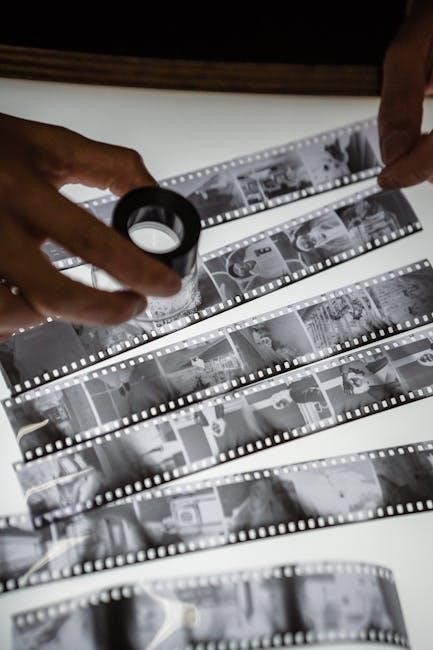
The 20th century witnessed further refinement with improved paper quality, binding techniques, and graphic design. Photographs and detailed diagrams became commonplace, enhancing clarity and usability. Today, while digital manuals are prevalent, the legacy of these historical advancements continues to shape the design and functionality of modern print manuals, emphasizing clear communication and durable presentation.
Types of Print Media: An Overview
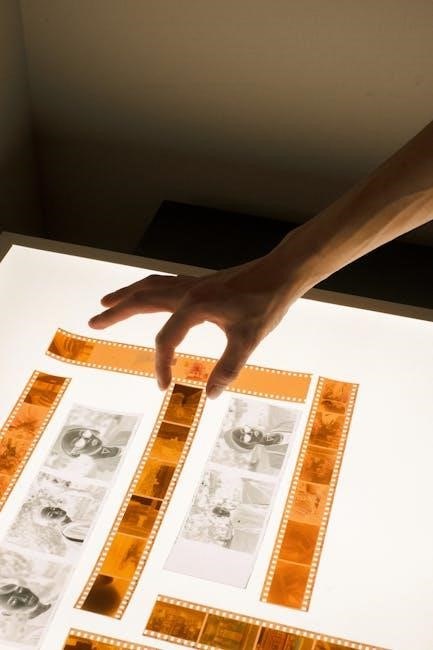
Within the broad spectrum of print media, the print manual occupies a distinct niche, differing significantly from newspapers or magazines. While sharing the fundamental characteristic of physical dissemination, manuals prioritize detailed instruction and reference. They often fall into several key categories.
User manuals accompany products, guiding consumers through setup, operation, and troubleshooting. Technical manuals, more complex, cater to professionals requiring in-depth knowledge of machinery or systems. Service manuals are designed for repair technicians, detailing disassembly and maintenance procedures.
Furthermore, training manuals are used in educational settings, while procedure manuals outline standardized processes within organizations. The format varies – from concise quick-start guides to comprehensive, multi-volume sets. Binding methods range from simple saddle-stitch to durable spiral or hardcover. Regardless of type, the core function remains consistent: to provide clear, accessible, and reliable information in a tangible format, complementing digital resources.
Newspapers: Structure, Content, and Readership
While seemingly disparate, the principles underpinning effective communication in newspapers share parallels with those crucial for a successful print manual. Both rely on clear, concise language and a logical structure to convey information efficiently. However, their core purposes diverge significantly.
Newspapers prioritize timely reporting of current events, employing sections like news, sports, and opinion. Manuals, conversely, focus on enduring instructional content, often featuring numbered steps, diagrams, and troubleshooting guides. Newspaper readership is broad and general, while manual readership is targeted and specific to product users or technicians.
The layout also differs; newspapers utilize columns and headlines for quick scanning, whereas manuals emphasize visual clarity and ease of reference. Though newspapers rarely include detailed “how-to” guides, the need for accuracy and readability – hallmarks of quality journalism – are equally vital in crafting a user-friendly print manual. Both formats demonstrate the power of print to deliver information, albeit to different ends.
Magazines: Diverse Formats and Target Audiences

Magazines, known for their specialized content and visually appealing layouts, offer valuable lessons applicable to print manual design. Like a well-crafted manual, successful magazines cater to a specific target audience, tailoring content and presentation to their interests and needs. This focused approach is paramount for both formats.
Magazines employ diverse formats – from glossy lifestyle publications to niche trade journals – demonstrating the flexibility of print. Similarly, manuals can range from simple folded guides to comprehensive ring-bound volumes, adapting to the complexity of the subject matter. The use of high-quality imagery and graphic design, common in magazines, can significantly enhance a manual’s usability and comprehension.
While magazines prioritize entertainment and engagement, manuals prioritize clarity and instruction. However, both benefit from thoughtful organization, compelling visuals, and a consistent brand identity. A manual, like a magazine, should be designed to hold the reader’s attention and facilitate a positive user experience.
Books: From Traditional Publishing to Self-Publishing
Books, representing a long-form print medium, offer valuable insights into structuring complex information – a crucial aspect of print manual creation. The traditional publishing route emphasizes editorial rigor and professional design, qualities that enhance a manual’s credibility and usability. However, the rise of self-publishing mirrors the increasing accessibility of manual creation tools.
Just as authors navigate the complexities of book publishing, manual creators must consider factors like content organization, indexing, and visual presentation. A well-structured book, with clear chapters and a comprehensive index, parallels a user-friendly manual with easily navigable sections and a detailed table of contents.
The self-publishing model empowers individuals to create and distribute books independently, much like the growing trend of companies producing in-house manuals. Both avenues demand a commitment to quality control and a deep understanding of the target audience. Ultimately, whether traditionally published or self-created, both books and manuals benefit from meticulous planning and execution.
Brochures and Flyers: Effective Marketing Tools
Brochures and flyers, concise print marketing materials, demonstrate the power of visually communicating key information – a core principle in print manual design. Like a compelling brochure, a manual must quickly convey essential instructions and features. The strategic use of images, concise text, and clear layouts, common in marketing collateral, directly translates to effective manual design.
Flyers often highlight specific benefits, mirroring a manual’s focus on problem-solving and task completion. Both formats rely on grabbing the reader’s attention and delivering a clear message. The emphasis on visual hierarchy in brochures – using headings, bullet points, and whitespace – is equally vital for manual readability.
Furthermore, the targeted distribution of brochures and flyers parallels the importance of understanding a manual’s intended audience. A well-designed manual, like a successful marketing piece, anticipates user needs and provides readily accessible solutions, ensuring a positive and productive experience.
Direct Mail Marketing: Strategies and Best Practices
Direct mail marketing, focused on personalized communication, shares key parallels with effective print manual distribution. Just as targeted mailings reach specific demographics, manuals are most effective when tailored to the user’s skill level and needs. The principle of segmentation – identifying distinct audience groups – applies equally to both.
Best practices in direct mail, such as clear calls to action and compelling visuals, mirror the design principles of user-friendly manuals. A manual, like a well-crafted mail piece, should guide the user towards successful task completion. Tracking response rates in direct mail informs future campaigns; similarly, user feedback on manuals drives revisions and improvements.
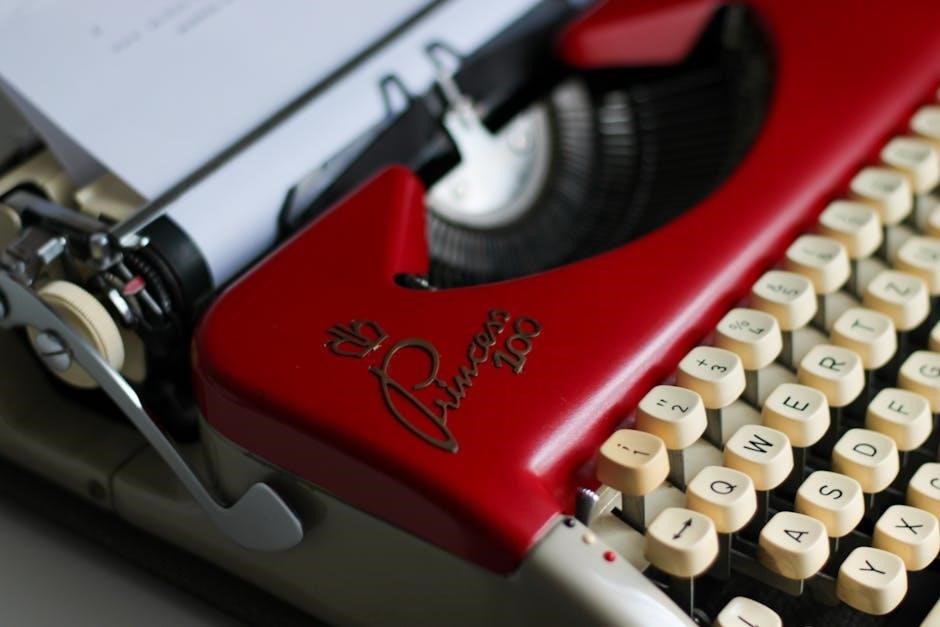
Furthermore, the emphasis on a tangible, physical experience in direct mail highlights the enduring value of print. A manual, unlike digital instructions, offers a permanent, readily accessible resource. Both strategies benefit from a focus on quality materials and professional presentation, reinforcing credibility and enhancing user engagement.
Newsletters: Building Customer Relationships
Newsletters, designed to nurture ongoing engagement, share a fundamental purpose with well-crafted print manuals: providing consistent value to the recipient. While newsletters deliver updates and promotions, manuals offer sustained support and guidance, fostering a sense of reliability and trust. Both rely on regular communication to strengthen the relationship.
The segmented approach common in newsletter marketing – tailoring content to specific subscriber interests – mirrors the best practice of customizing manuals for different user profiles. A beginner’s guide differs significantly from an advanced troubleshooting manual, just as a newsletter targets specific customer segments.
Furthermore, both mediums benefit from a consistent brand voice and visual identity. A recognizable style builds familiarity and reinforces brand recognition. Just as a newsletter aims to keep the brand top-of-mind, a well-designed manual positions the product or service as user-friendly and dependable. Both are investments in long-term customer loyalty.
Posters: Visual Communication and Advertising
Posters, impactful visual statements, share a core principle with effective print manuals: the power of clear, concise communication. While posters aim for immediate attention and persuasion, manuals prioritize detailed instruction, both rely on strategic design to convey information efficiently. A cluttered poster, like a poorly organized manual, fails to deliver its message.
The use of visuals – diagrams, illustrations, and concise text – is crucial in both formats. A poster’s striking imagery grabs the eye, while a manual’s illustrations clarify complex procedures. Both leverage visual cues to enhance understanding and retention. Think of a quick-start guide included with a product, almost like a mini-poster.
Furthermore, both mediums benefit from a defined hierarchy of information. A poster highlights key messages, while a manual structures content logically, guiding the user through each step. Both prioritize readability and accessibility, ensuring the intended audience can easily grasp the information presented. They are both forms of directed communication.
Billboards: Large-Format Outdoor Advertising
Billboards, commanding attention through sheer size, represent an extreme end of the print spectrum, contrasting sharply with the detailed nature of print manuals. While billboards aim for instant recognition and brand recall, manuals prioritize comprehensive instruction. However, both share a fundamental need for impactful visual communication, albeit at vastly different scales.
The principle of “less is more” applies to both. A billboard crammed with text is ineffective, just as a manual overloaded with jargon is unusable. Both require distilling information to its most essential elements. Consider a safety manual – it uses concise warnings, much like a billboard’s brief message.
Furthermore, both formats must consider their audience’s perspective. A billboard is viewed quickly by passing traffic, while a manual is consulted deliberately. Both necessitate clear typography and a strong visual hierarchy to ensure the message is easily understood. Both are designed to leave a lasting impression, though the nature of that impression differs significantly.
Packaging: Print’s Role in Branding and Information
Packaging, a crucial intersection of design and functionality, shares surprising parallels with the creation of effective print manuals. Both demand a careful balance between conveying essential information and reinforcing brand identity. While packaging aims to entice purchase, manuals aim to ensure proper product use, both rely heavily on clear, concise printed communication.
Consider the layered information on packaging – ingredients, instructions, warnings – mirroring the structured content of a manual. Both utilize visual cues like icons and diagrams to enhance understanding. A well-designed package, like a well-written manual, anticipates user needs and provides answers proactively.
Furthermore, both packaging and manuals contribute to the overall user experience. Positive experiences build brand loyalty. A clear, helpful manual fosters confidence in a product, just as attractive, informative packaging creates a positive first impression. Both are integral to building trust and demonstrating a commitment to quality and customer satisfaction.
Catalogs: Showcasing Products and Driving Sales
Catalogs, traditionally focused on visually showcasing products, share a surprising kinship with the purpose of a well-crafted print manual. Both aim to guide the user through a complex offering, albeit with different end goals – sales versus successful product utilization. A catalog presents possibilities; a manual clarifies how to realize them.
Like a catalog’s detailed product descriptions and specifications, a manual provides in-depth explanations of features and functions. Both employ imagery – product photos in catalogs, diagrams in manuals – to aid comprehension. Effective catalogs anticipate customer questions; effective manuals preempt user errors.
The structure of a catalog, categorized and organized for easy browsing, mirrors the logical flow of a manual’s instructions. Both benefit from clear headings, concise language, and a user-centric approach. Ultimately, both catalogs and manuals strive to empower the user – the customer to make informed purchasing decisions, and the owner to maximize product value.
Business Cards: Essential Networking Tools
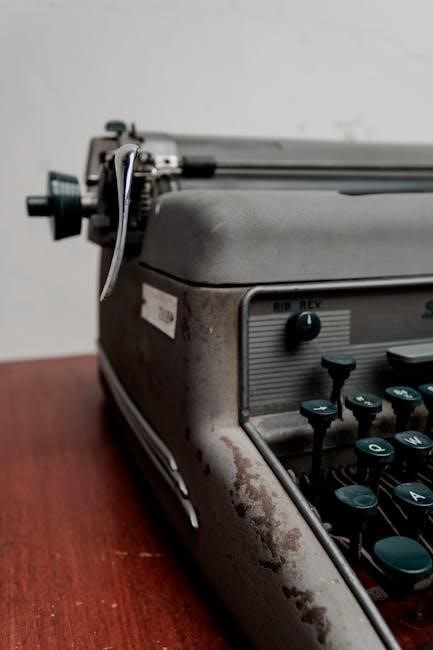
While seemingly disparate, business cards and print manuals both represent concentrated forms of information designed for immediate impact. A business card quickly conveys essential contact details and brand identity; a manual delivers crucial product knowledge; Both rely on concise communication and thoughtful design to achieve their purpose.
The limited space on a business card necessitates prioritizing key information – a principle echoed in manual writing, where clarity and brevity are paramount. Both formats demand a professional presentation to instill trust and credibility. A well-designed card reflects attention to detail, just as a comprehensive manual demonstrates a commitment to user support.
Consider the exchange of a business card as the initial step in a relationship, much like a manual initiates the user’s journey with a product. Both serve as tangible representations of a larger entity – an individual or a company. Ultimately, both business cards and print manuals are powerful tools for building connections and fostering positive experiences.

Print Media vs. Digital Media: A Comparative Analysis
Comparing print manuals to their digital counterparts reveals distinct advantages and disadvantages. While digital manuals offer searchability, instant updates, and multimedia integration, print manuals provide a tactile experience and eliminate reliance on devices or internet access. The permanence of print fosters a sense of reliability often lacking in ephemeral digital formats.
Digital media excels in dynamic content delivery, but print manuals offer focused, distraction-free learning. A physical manual encourages deliberate study, whereas digital versions can lead to information overload. Cost-effectively, initial print runs can be substantial, but revisions require reprinting, contrasting with digital’s easy, inexpensive updates.
Ultimately, the optimal choice depends on the target audience and the complexity of the information. For quick reference or frequently updated content, digital prevails. However, for detailed instructions, troubleshooting guides, or situations lacking reliable digital access, the print manual remains a valuable and often preferred resource.

The Future of Print Media in a Digital Age
Despite the dominance of digital information, print manuals aren’t destined for obsolescence. Their future lies in strategic integration with digital platforms, evolving into hybrid resources. Expect to see more manuals incorporating QR codes linking to supplementary videos, interactive diagrams, or updated troubleshooting guides online.
Sustainability will drive innovation, with increased use of recycled paper and eco-friendly printing processes. Niche markets valuing tactile experiences – like luxury goods or complex machinery – will continue to demand high-quality print manuals. Personalization will also become key, offering customized guides tailored to specific user needs.
The role of the print manual is shifting from sole information source to a complementary tool. It will serve as a durable, reliable companion to digital resources, offering a tangible anchor in an increasingly virtual world. The future isn’t about print versus digital, but print and digital, working synergistically to enhance user experience.